Saturday, January 6, 2024

Black Cumin


What if we told you there was a seed so densely packed with healing compounds that cancer, bacteria, viruses, ulcers, diabetes, chronic inflammation, and many other common health conditions hardly stand a chance in its presence? Not to be confused with black sesame seed which looks strikingly similar, black cumin, also known as “black seed,” is the seed in question, and it is all these things and more, hence its historical reputation as “a remedy for all diseases except death.”

If you have never heard of black cumin (Nigella sativa), it is probably because the seed is rarely talked about in modern Western society. Even though its use as both an herb and a folk remedy dates back many centuries, black cumin has long been shelved in favor of pharmaceutical remedies that are far less effective and elicit harmful side effects. But if you are tired of trying to overcome your ailments with patented drugs, you may want to consider adding black cumin to your diet.

Since 1964, there have been at least 458 published, peer-reviewed studies involving black cumin, according to GreenMedInfo.com, and these studies confirm what Middle Eastern and North African cultures have known for thousands of years -- black cumin is essentially a miracle heal-all remedy. According to the GreenMedInfo.com reference page for black cumin, the seed has been scientifically confirmed as being:

• Analgesic (pain-killing)
• Antibacterial
• Anti-inflammatory
• Anti-ucler
• Anti-cholinergic
• Anti-fungal
• Anti-hypertensive
• Antioxidant
• Antispasmodic
• Antiviral
• Bronchodilator
• Gluconeogenesis inhibitor (anti-diabetic)
• Hepatoprotective (liver protecting)
• Hypotensive
• Insulin sensitizing
• Interferon inducer
• Renoprotective (kidney protecting)
• Tumor necrosis factor alpha inhibitor

Specifically, black cumin has been shown to provide pain relief for patients being treated for acute tonsillo-pharyngitis; prevent disease that would otherwise be caused by exposure to chemical weapons; aid in the long-term treatment of patients addicted to opioid drugs; alleviate the symptoms of allergic rhinitis; fight Helicobacter pylori (H. pylori) infection; treat type-2 diabetes; relieve asthma symptoms; lower blood pressure; prevent epileptic seizures; and eliminate fungi and candidiasis, among many other functions (http://www.greenmedinfo.com/substance/nigella-sativa-aka-black-seed).

BLACK CUMIN AS POWERFUL PREVENTIVE, TREATMENT FOR CANCER

If all this is not enough, black cumin has long been regarded throughout the Middle East as one of the most powerful anti-carcinogenic herbs in existence. Studies have shown that regularly taking black cumin or black cumin oil can help prevent the growth and spread of colon cancer cells, but the seed is also useful in preventing and treating many other types of cancer as well (http://www.ncbi.nlm.nih.gov/pubmed/12881014). In fact, researchers at the Cancer Immuno-Biology Laboratory in South Carolina found that black cumin helps stimulate the activity of neutrophil granulocytes, the most abundant type of white blood cell in the body, which are responsible for targeting cancer cells and eliminating them before they can develop into tumors.

“Black Cumin Oil (Black Seed) generally helps stimulate the production of bone marrow and cells of the immune system,” wrote the authors in their study. “It increases the production of interferon, protects normal cells from the damaging effects of viral disease, destroys tumor cells and increases the number of antibody producing B cells” (http://www.alyusra.com/blackseed/Black%20Seed%20Research.htm).

Because it has a spicy, nutty flavor, black cumin can be sprinkled whole or ground up on food, and the oil can also be used on salads and other dishes. The seeds can also be ground and added to water to create a mucilaginous gel similar to what develops when chia seeds are added to water. This gel can be drunk or used as an egg replacement in gluten-free and flour-free baking.
________________________________________________________

If the Holy Spirit so impresses you, PLEASE DONATE TODAY (button below and on the side) so I can continue to help others. Thank you! If you can't see the donate button or want quick access – use this link: PayPal.Me/ReneeB

Got info from another source.


Friday, January 5, 2024

Bell Peppers


BELL PEPPERS contain an impressive amount of vitamin C with up to as much as six times as orangesBell peppers are also packed with vitamin A and beta carotene which can help boost the immune system, improve vision, and help protect the eyes against cataracts. They are also an excellent source of potassium, fiber, thiamine, beta carotene, folic acid, zeaxanthin, and lycopene and have been shown to help prevent blood clot formation and reduce the risk of heart attacks and strokes.

They are excellent for helping to lower cholesterol levels and they contain anti-cancer compounds that can help lower the risk of prostate, breast, lung, and colon cancer. Bell peppers are highly beneficial for the brain and can help to strengthen memory and concentration skills as well as reduce brain fog and confusion.


Bell peppers are an ideal weight loss food as their fiber helps to curb the appetite while helping to keep you energized throughout the day. Even though green peppers are edible, the red, orange, and yellow bell peppers contain significantly higher levels of vitamins, mineral, and antioxidants.


Bell peppers are so sweet, crunchy, and juicy that they are perfect to munch on with your meal and make a great salad with cucumber, olives, tomatoes and avocados with lemon juice, dill, honey and olive oil. They are good on sandwiches, in dips and hummus. They are also great juiced, steamed, sautéed, and stuffed.


It is a refreshing, light, nutrient packed meal that can nourish your body and keep your immune system functioning strong.


Bell peppers can be found at your local grocery and health food store….or better yet, grow your own in summer

________________________________________________________

PLEASE DONATE TODAY, IF the Holy Spirit impresses you, (donate button below and on the side) so I can continue to help others. Thank you! If you can't see the donate button or want quick access – use this link: PayPal.Me/ReneeB

Got info from another source.


Thursday, January 4, 2024

Beets


The beetroot is a root vegetable. The dark pigmented vegetable is medicine to blocking cancer, heart disease, and diabetes.

Red beets contain high concentrations of water-soluble nitrogen-containing pigments called betalains. These pigments exhibit antiviral and antimicrobial effects and can lessen tumor cell growthaccording to an article published in the journal “Food Research International” in July 2011. Consuming red beets helps to protect against age-related diseases. Betalains and other phenolic compounds found in these vegetables protect lipids against oxidative damage and enhance your antioxidant status. In addition, betalains have antioxidant and anti-inflammatory properties.

Beets are an excellent source of folate and a very good source of manganese, potassium, and copper. They are also a good source of dietary fiber, magnesium, phosphorus, vitamin C, iron, and vitamin B6.

The beets belong to the same family as chard and spinach. Beet leaves have a bitter taste like chard, but is rich in chlorophyll. Although bitter, the greens have a higher nutritional value than its roots.

Both beet root and beet greens are very 
powerful cleansers and builders of the blood. Betacyanin is the phytochemicals in beet that gives it its rich 'amethyst' color that significantly reduces homocysteine levels.

Beets are 
loaded with vitamins A, B1, B2, B6, and C. The greens have a higher content of iron compared to spinach. They are also an excellent source of calcium, magnesium, copper, phosphorus, sodium, and iron.

While the sweet beet root has some of the minerals in its greens to a lesser degree, it is also a 
remarkable source of choline, folic acid, iodine, manganese, organic sodium, potassium, fiber and carbohydrates in the form of natural digestible sugars.

Its 
iron content, though not high, is of the highest and finest quality that makes excellent food that is blood building. This renders it highly effective in treating many ailments caused by our toxic environment and surrounding.

Beets have long been known for its amazing 
health benefits for almost every part of the body. And yet, it is something that very few people eat.

The benefits of organic beets is miraculous. Beets should be considered a medicine and eaten to prevent disease.

Forget the creams and the face-lift to anti-age. Anti-aging starts from the inside of your body. Your heart, liver, kidneys, and blood will reflect on the outside. Make salads with cooked vegetables such as: red cabbage, beets, spinach, kale, carrots, sprouted beans and eat on a regular basis.
 

FIGHTS INFLAMMATION

Betaine found in beets has been associated with lower levels of several inflammatory markers, including C reactive protein, interleukin-6, cyclo-oxygenase enzymes (COX-1 and COX-2) and tumor necrosis factor. Beets are a unique source of phytonutrients called betalains, they have been shown to provide antioxidant, anti-inflammatory, and detoxification support.

LIVER AND DETOXIFICATION SUPPORT

The betalin pigments in beets support the Phase 2 detoxification process through the liver which is involved in converting fat soluble metabolic waste and toxins into water soluble by-products that can be easily eliminated via the skin, kidneys and bowels.

EASES CONSTIPATION

Due to beets’ high fiber content combined with their Phase 2 detoxification support through the liver, beets can certainly get things moving along. Here are more tips for constipation.

Other than as a food, beets have use as a food coloring and as a medicinal plant. Many beet products are made from other Beta vulgaris varieties, particularly sugar beet.

Beets are highly nutritious and “cardiovascular health” friendly root vegetables. Certain unique pigment antioxidants in the root as well as in its top-greens have been found to offer protection against coronary artery disease and stroke, lower cholesterol levels within the body, and have anti-aging effects.

What's most striking about beets is not the fact that they are rich in antioxidants; what's striking is the unusual mix of antioxidants that they contain.


REASONS TO EAT BEETS


1.  WEIGHT LOSS

Beets taste sweet, but a cup of cooked beet contains only 60 calories and is full of fiber. This is a perfect food for weight management.

The sugars in beets are smart carbs, since they come in a natural whole food form.  Unlike white sugar, the beet calories come with a lot of nutrients and phytochemicals.

2.  BRAIN AND ENERGY BOOST

Beets are high in natural nitrates, which are converted to nitric oxide in the body. Nitric oxide is known to expand the walls of blood vessels so you can enjoy more oxygen, more nutrients, and more energy.

Studies have shown nitric oxide to increase the efficiency of the mitochondria (your energy powerhouses).

3. SUPER ANTIOXIDANT FOR A LONG, HEALTHY, PAIN-FREE LIFE

Antioxidants help to reverse the daily accumulated wear and tear on the body, known as aging. Beets are a very good source of commonly known antioxidants like vitamin C and manganese, but it is their lesser-known antioxidants which give them their true value.

The blood-red color of beets comes from a powerful group of antioxidants called betalains. There are hundreds of studies on the positive health benefits of betalains.

A short summary of the results shows that they help in the areas of cancer, heart disease, diabetes, and inflammation. If you go to Google Scholar and type in ‘betalains,’ you will see 110,000 references on this subject.

4. ANTI-INFLAMMATORY BENEFITS

The inflammatory response is a natural function of the body which saves our lives when it responds to the acute stresses in our lives, like bacterial infection and injury. Due to the constant stress in our modern lives, however, this inflammation becomes chronic. It is as though our body is constantly in a battle. Inflammation has been linked to a number of symptoms and diseases including:

  • Wrinkles
  • Susceptibility to infections
  • Cancer
  • Arthritis
  • Bronchitis
  • Chronic pain
  • Diabetes
  • High blood pressure
  • Osteoporosis
  • Heart disease
  • Candidiasis
 The blood-red betalains in beets have been shown to reduce chronic inflammation.

5. CANCER PREVENTION

Preliminary tests suggest that beetroot ingestion can be one of the useful means to prevent lung and skin cancer. Other studies have shown that beet juice inhibits the formation of cancer-causing compounds called nitrosamines.

6. CELL DETOXIFICATION AND CLEANSING

The antioxidants in beets have been shown to support what is called phase 2 cleansing. In phase 2 cleansing, unwanted toxic substances are chemically combined with a small nutrient group. This combination neutralizes the toxin and makes them sufficiently water-soluble so they can be excreted through the urine.

This is therefore deep cleansing on a cellular level, which may have long term health benefits.

7. IMPROVED MENTAL HEALTH

The betalains in beets has been used in certain treatments of depression. It also contains tryptophan, which relaxes the mind and creates a sense of well-being.

HOW TO SELECT AND STORE

Choose small or medium-sized beets whose roots are firm, smooth-skinned and deep in color. Smaller, younger beets may be so tender that peeling won't be needed after they are cooked.

Avoid beets that have spots, bruises or soft, wet areas, all of which indicate spoilage. Shriveled or flabby should also be avoided as these are signs that the roots are aged, tough and fibrous.

EAT YOUR BEET GREENS TOO


If you simply throw away the green leafy tops to your beets, you're doing yourself a disservice, as these are among the healthiest part of the plant.

Besides containing important nutrients like protein, phosphorus, zinc, fiber, vitamin B6, magnesium, potassium, copper, and manganese, beet greens also supply significant amounts of vitamin A, vitamin C, calcium, and iron.

Beet greens actually have even more iron than spinach (another leafy green in the same botanical family) as well as a higher nutritional value overall than the beetroot itself.

“WHAT ARE BEET GREENS GOOD FOR?”

You may be surprised to learn, for instance, that research shows beet greens may:

  • Help ward off osteoporosis by boosting bone strength
  • Fight Alzheimer's disease
  • Strengthen your immune system by stimulating the production of antibodies and white blood cells 

If you've never tried beet greens before, don't let them intimidate you. They can be sautéed lightly right along with other greens like spinach and Swiss chard. Consider the consumption of beets an important part of your diet.

________________________________________________________

PLEASE DONATE TODAY, IF the Holy Spirit impresses you, (donate button below and on the side) so I can continue to help others. Thank you! If you can't see the donate button or want quick access – use this link: PayPal.Me/ReneeB

Got info from another source.


Wednesday, January 3, 2024

Basil


Basil is an herbal antibiotic, antiseptic, carminative, and appetizer that has a special affinity for the stomach. Basil significantly benefits the stomach during digestion and can provide immediate relief from gas, stomach cramps, and nausea. It also contains powerful anti-inflammatory properties and can provide relief for inflamed bowel conditions such as colitis, IBS, Crohn’s and celiac disease. It is also highly antibacterial and antiviral making it effective against bacterial infections, intestinal parasites, colds, flu, mono, shingles, and herpes.

Basil is a rich source of magnesium which relaxes muscles and blood vessels and supports cardiovascular health by lowering the risk of irregular heart rhythms and spasms. The essential oil of basil contains eugenol which works similarly to aspirin and ibuprofen in decreasing the swelling in joints and tissues to provide relief from arthritis and fibromyalgia.

Basil’s fungicidal properties also aid in healing wounds, skin rashes, warts, and insect bitesYou can purchase creams and salves or crush fresh leaves in a small amount of coconut oil, apply to the skin, and wrap with a fresh bandage daily.

Consider making fresh basil a staple in your diet and regularly add to salads, homemade pesto, guacamole, and even fruits like strawberries and bananas, the health properties are not to be missed.

HEALTH BENEFITS

DNA Protection: Basil leaves come complete with an array of antioxidants and other wonderful phytonutrients. Some of these phytonutrients, orientin and vicenin, which are in the flavonoid family, have been found to “protect cell structures as well as chromosomes from radiation and oxygen-based damage.”

Anti Bacterial Properties: The antibacterial nature of basil is linked to its volatile oils (essential oils) such as: estragole, linalool, cineole, eugenol, sabinene, myrcene, and limonene.

“Essential oil of basil, obtained from its leaves, has demonstrated the ability to inhibit several species of pathogenic bacteria that have become resistant to commonly used antibiotic drugs.”

Anti-Inflammatory Effects: Eugenol (one of basil’s volatile oils) can also help block the enzyme cyclooxygenase (COX) in the body. This is important because COX is the same enzyme that anti-inflammatory medicines like aspirin and ibuprofen are formulated to help block, making basil a natural anti-inflammatory.

Cardiovascular Health: Basil comes complete with vitamin A (through beta-carotene), magnesium, and many other nutrients that can help protect cell walls from free radical damage (in the blood system and other body structures), improve blood flow and help stop cholesterol from oxidizing in the blood stream.

________________________________________________________

PLEASE DONATE TODAY, IF the Holy Spirit impresses you, (donate button below and on the side) so I can continue to help others. Thank you! If you can't see the donate button or want quick access – use this link: PayPal.Me/ReneeB

Got info from another source.


Monday, January 1, 2024

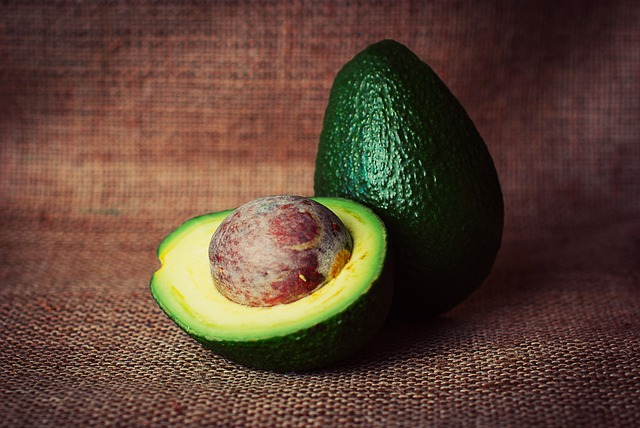
Avocados


Avocado is one of the world’s most perfect foods. It is easily digested and contains over 25 essential nutrients including iron, copper, magnesium, and essential fatty acids that help the body to function optimally. 

Avocados increase the body’s ability to assimilate nutrients, so they are a wonderful addition to a salad of bell peppers, cucumber and tomato, to ensure proper absorption of all the vitamins and minerals. They are also an excellent source of glutathione which helps to boost the immune system, strengthen the heart, rebuild the nervous system, and slow the aging process.

The monounsaturated fats in avocados reverse insulin resistance which helps to steady blood sugar levels. Due to its nutritional profile, it is one of the closest foods to mother’s breast milk, being a complete and easily assimilable food with protein ratios that are equal to breast milk.

Avocados are high in folate which is essential for women in childbearing years and is also known to aid in preventing strokes and reducing the risk of heart disease.


HEALTH BENEFITS OF AVOCADOS

Good Digestion: It is believed that avocados are soothing for the intestine and therefore aid in digestion. They contain soluble and insoluble fibers that help to keep digestive system running smoothly. These two types of fiber are very important for digestion, because they bulk up stools and help to ensure the smooth passage of food through the intestinal tract. Furthermore, they stimulate gastric and digestive juices so nutrients are absorbed in the most efficient and rapid way. Finally, they reduce the symptoms from conditions like constipation and diarrhea. All in all, the huge amount of fiber found in avocados (40% of daily requirement per serving) makes this a very important food for optimizing your digestive health.

Dental Care: Consumption of avocados also helps in preventing bad breath, which is primarily caused due to indigestion or an upset stomach. Halitosis can be eliminated by improving digestive health, and the antibacterial and antioxidant flavonoids found in avocados also kill the bacteria in your mouth that can result in bad breath as well. Avocados have also been connected with preventing oral cancers!

Skin and Hair Care: Avocados are packed with nutrients that are beneficial for maintaining healthy skin. It enriches skin that is dry, chapped or damaged.  Avocados are added to a variety of cosmetics due to their ability to nourish the skin with essential vitamins and make it glow. It is also used for nourishing dry and damaged skin. Many people use avocados to prepare skin and hair masks.  Above all, avocado oil helps in treating plaque psoriasis. Beta-carotene and lycopene are two of the organic compounds found in large quantities within avocados. Both of these have been connected to improving the health and tone of your skin and eliminating signs of premature aging.

Liver Care: Avocados are very good at reducing liver damage. It has certain organic compounds that help in improving liver health. Liver damage is normally caused due to Hepatitis C. Findings of a recent research study suggest that avocados may play a major role in toning up and protecting your liver from a wide variety of conditions.

Healthy EyesAvocados help to keep your eyes healthy. They contain carotenoids such as lutein and zeaxanthin, which help to protect your eyes against cataracts, eye diseases related to age, and macular degeneration. Those conditions are often caused by free radicals that accumulate in the tissues of the eyes. The antioxidant activity of those special carotenoids neutralize the effects of those dangerous free radicals.

Healthy HeartThe health benefits of avocados include a healthier heart. Beta-sitosterol, which is found in avocados, helps to maintain healthy cholesterol levels. Research studies suggest that the intake of avocado may enhance antiatherogenic properties of HDL cholesterol, which helps in protecting your heart from atherosclerosis, also known as arteriosclerotic vascular disease. The significant levels of potassium also make avocados a powerful fruit in the fight against hypertension. Potassium is a vasodilator, which relaxes the tension of blood vessels and arteries, thereby reducing the chances of clotting, heart attacks, and strokes.

Kidney Health: Your diet plays a very important role in maintaining the balance of minerals and fluids in those who suffer from chronic kidney disorders. Potassium is one of the minerals that helps in maintaining a normal heart rate. Avocados are a good source of potassium and their inclusion in your diet may provide other benefits as well. It is important to make sure that potassium levels are not too high as that can also be dangerous for the heart. Potassium is a key aspect of maintaining fluid balance through chemical channels for cells and organs. This balance of fluid is also vital for the functioning of the kidney, which handles the movement of fluid and toxins through the body.

Vitamin K Deficiency: A vitamin K deficiency is not very common, but is frequently seen in neonatal care. It may lead to a bleeding disorder known as vitamin K deficiency-related bleeding (VKDB). This occurs mostly due to an insufficient intake of vitamin K during pregnancy. Inclusion of avocado in the diet of a pregnant woman may help in lowering risk of VKDB in the newborn child, since avocados are one of the rare fruits that have a very high amount of vitamin K (almost 40% of the daily requirement in a single serving!)

Morning Sickness: During pregnancy, morning sickness is very common. Avocados help to nausea and queasiness during pregnancy since it contains vitamin B6, which is commonly connected to reducing nausea and vomiting.

ArthritisThe anti-inflammatory properties of avocados are perhaps its most valuable attribute, and between the wide range of phytochemicals, flavonoids, carotenoids, phytosterols, fatty alcohols, and omega-3 fatty acids, avocados are one of the best foods for reducing the inflammation in tissues, joints, and muscles. Arthritis affects tens of millions of people around the  world, and by consuming a proper amount of avocados, studies have frequently shown the symptoms and associated pain of arthritis can be efficiently reduced!

Anti-Cancer Properties: Health benefits of avocados include a lower risk of cancers,including cancer and prostate cancer. Avocados contain carotenoids and monounsaturated fat, which both contribute to the significant reduction of cancer. Avocados also contain Glutathione, an antioxidant that protects the cells from cancer and the dangerous effects of free radicals. The list of antioxidant and anti-inflammatory compounds in avocados is impressive, and it is almost difficult to determine which one has the largest impact. Studies have been widely done on oral, skin, and prostate cancers, and the results show that instead of metastasizing, the organic compounds in avocados cause cancerous cells to undergo apoptosis (automatic cell death). Research is ongoing in terms of avocados and cancer.

Antioxidant Properties: Avocados contain both vitamin C and E, which help to enhance antioxidant properties of the human body. Vitamin C recycles vitamin E and helps to reduce the oxidation of LDL cholesterol. Avocados also contain antioxidants like epicatechin, violaxanthin, neochrome, and about a dozen others. Antioxidants neutralize the effects of free radicals, which are the dangerous byproducts of cellular metabolism. They are responsible for dozens of serious conditions in the body, including cancer, cardiovascular disease, vision problems, premature aging, cognitive disorders, and many more.

Healthy Skin: Avocados contain many vitamins and minerals that help in maintaining healthy skin. Carotenoids found in avocados are associated with reducing UV-induced inflammation of the skin due to exposure to sun. Oil made from avocados helps in protecting the skin against sunburn damage. The high levels of beta carotene in avocados can be enzymatically split into provitamin A, which has long been connected to protecting the skin from a variety of conditions and the damaging effects of the sun.

Weight Management: Regular exercise, along with a healthy diet, is very important in weight management. Avocados are fruits that provide nutritional value to the body and support weight control. Findings of a recent study suggest a number of beneficial effects of avocado on weight management.

Anti-Aging: Consuming avocados is also associated with healthy aging. It contains compounds such as xanthophyll, which have antioxidant properties. Research studies suggest that an intake of xanthophyll may decrease signs of the aging process on various parts of your body.

Bone Health: Avocados contain carotenoids such as zeaxanthin and lutein, which are associated with a reduced risk of cartilage defects (symptom of osteoarthritis). Intake of foods such as avocado and soy may help in reducing the risk of osteoarthritisFurthermore, the levels of essential minerals in avocados are significant, including zinc, phosphorous, copper, and trace amounts of calcium and selenium. All of these are connected to lowered risks of osteoporosis and improvements in bone mineral density.

Blood Glucose Levels: Apart from the fruit, the leaf extracts of avocados also provide health benefits. A study conducted on non-diabetic and diabetic rats suggest that the leaf extracts may help in lowering blood glucose levels. For diabetic patients, the metabolism of starch-based foods into simple sugars like glucose can cause the spikes and plunges that are so dangerous for diabetics. Fiber helps to slow the breakdown of food into usable sugars, so it is absorbed by the body in a more balanced way. Furthermore, the majority of carbohydrates in avocados are made up of 7-carbon sugars, a relatively rare form of sugar that actually inhibit the enzyme hexokinase. This helps avocados control the way that glucose is metabolized by the body, thereby protecting the overall health of diabetic patients.

HOW TO SELECT AND STORE
Avocados are readily available in stores all over the world. Fresh, ripe avocados with no dark spots should be chosen. DO NOT REFRIGERATE AVOCADOS UNLESS THEY ARE RIPE. If a portion of the fruit has been used then the remainder may be stored in refrigerator for future use. Unripe avocados can be stored at room temperature.

Try adding avocado to your diet each week and enjoy the benefits of this delicious and health promoting food.

________________________________________________________

PLEASE DONATE TODAY, IF the Holy Spirit impresses you, (donate button below and on the side) so I can continue to help others. Thank you! If you can't see the donate button or want quick access – use this link: PayPal.Me/ReneeB

Got info from another source.