Wednesday, July 29, 2026

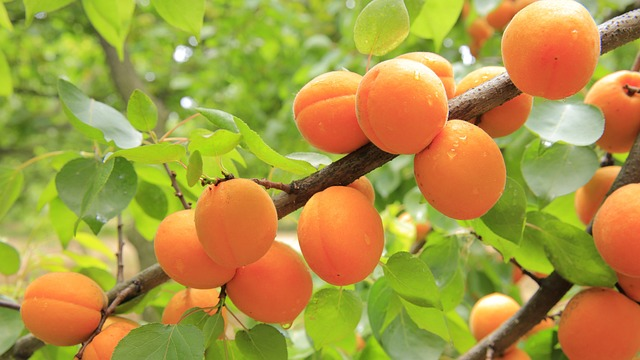
Apricots


Apricots are incredibly high in minerals and rich in beta carotene and are one of the most healing fruits you can eat. They are one of the best sources for organic iron, copper, and cobalt making them very beneficial for anemia, digestive disorders, and reproductive health.

Apricots are highly beneficial for autoimmune disorders such as chronic fatigue syndrome, rheumatoid arthritis, fibromyalgia, asthma, lupus, colitis, IBS, and PCOS. They are also wonderful for keeping the heart strong and healthy as well as being a powerful weight-loss agent.

Apricot’s high concentration of beta carotene makes them an excellent food for disease prevention, especially lung, skin, and stomach illnesses. And they are very helpful in helping to regrow hair and improve the quality of your hair, skin, and nails.

Fresh apricots are always best, but when they are not available, dried apricots are a great alternative. Look for wild and/or organic varieties that do not have any preservatives such as sulfur dioxide.

MORE HEALTH BENEFITS

1.  GOOD FOR YOUR EYES
Consuming two or three servings of apricots in a day has proved to be beneficial in preventing age-related Macular Degeneration.

Macular degeneration is a disorder of the eye and is one of the major causes of loss of sight in older people. It also helps in strengthening the optic nerves in your eyes.

It also lowers the risk of another major eye-related illness called Neovascular ARMD. The carotenoids and the various vitamins especially Vitamin A and Beta Carotene present in apricots are responsible for reducing the risk of developing this disorder.

The carotenoids and the various vitamins especially Vitamin A and Beta Carotene present in apricots are responsible for reducing the risk of developing this disorder.

Vitamin A with Carotene and Lutein prolongs vision in people suffering from retinitis pigmentosa and delays the loss of peripheral vision.

It is also considered an excellent remedy for alleviating dry eyes symptoms. In younger people it has been found to slow the progression of Stargardt’s disease- an inherited eye disease.

WRAP UP: Vitamin A and Beta Carotene in Apricots strengthens optic nerves of eyes and protect from macular degeneration and other eye diseases that result in complete or partial loss of vision.


2. RICH ANTIOXIDANTS IN APRICOT
Apricot, when ripened naturally, are a rich source of antioxidants.

Antioxidants are required by the body to aid the body’s natural functioning. Higher the amount of antioxidants in the body, higher is the rate of elimination of toxins from it.

Toxins are harmful substances that accumulate in the intestines and the digestive tract. Antioxidants also get rid of free radicals produced naturally in the body on exposure to oxygen.

Free radicals if not scavenged regularly, can damage the body on a cellular level.  Apricots have the capacity to increase the production of antioxidants.

They are also rich in carotenoids and other strong antioxidant phytonutrients. Apricots are rich in vitamin A content due to the presence of high levels of beta-carotene in them which is a precursor of Vitamin A.

Vitamin A is a strong antioxidant. Its presence is useful for the growth of cells in the body and helps in improving the immune system.

By optimizing the immune function, it leads to an overall improvement in the health of the human body.

WRAP UP: Apricot are rich in antioxidants and help in eliminating free radicals and toxins thereby strengthening the immune function.


3. FIBER ARE HEALTH BOOSTER
Dried and fresh apricot are one of the best sources of dietary fiber. Though fiber is good for the human body, apricots contain a special kind of fiber that is, even more, beneficial.

Rich soluble fiber that dissolves quickly in the body; this helps in absorbing essential nutrients. It melts into a gel-like substance and helps in breaking down fatty acids.

Once fatty acids are broken down, they help in the excretion of digested food particles and the easy bowel movement.

The high amount of dietary fiber also helps in keeping you safe from gastrointestinal disorders. It ensures a regular emptying out of intestines and protects from constipation and constipation induced piles.

WRAP UP: Apricots have a high amount of soluble fiber which aids digestion function and protects from constipation and other gastrointestinal disorders.


4. HEART HEALTHY
The high amount of soluble fibers is also beneficial to the heart health.

HOW ARE THE TWO RELATED?
The high fiber content is useful in reducing the LDL cholesterol content in the body, thus lowering your risk of developing cardiovascular diseases.

At the same time, it also helps you increase the levels of HDL cholesterol.

Consuming just half a cup of apricots every day is useful and beneficial to the health of your heart.

Potassium in Apricots further balances the electrolyte and ensures that the muscles of your heart work to the best of their ability and remain healthy.

The antioxidants stunt the age-related heart diseases and weaknesses.

WRAP UP: The antioxidants, potassium and fiber in Apricots optimize the health of entire cardiovascular system including heart.


5. POTASSIUM FOR A HEALTHY YOU
Fruits like apricots and those belonging to the same family are high in potassium content.

Optimum levels of potassium are extremely beneficial to your body.

When potassium combines with sodium or salt, it regulates the water levels within and between cells. This water or fluid is called electrolyte and is responsible for carrying neuro-transmissions.

Potassium is also required to keep the blood pressure levels stable.

Deficiency of potassium is known to be deterrent to the body as it increases the possibility of developing hypertension.

Hypertension, in its most severe forms, can lead to the possibility of heart attacks.

Eating half a cup of apricots is enough to give you a whopping 21% of your required potassium intake every day.

WRAP UP: Potassium in Apricots maintains electrolyte balance, optimizes the blood pressure and reduces the chances of hypertension led stroke.


6. NON-HEME IRON
All the plant items that contain iron include the type that is called Non-heme iron. Most of the dry fruits contain this type of iron.

The specialty of this iron is that the body does not readily absorb it. This way the amount of unabsorbed iron stays for a longer period in the body and is more efficient when absorbed slowly.

For better absorption, however, one can consume this with any other sources of Vitamin C.

The iron content in apricots is helpful in preventing you from developing anemia.

Anemia is a common blood-related condition wherein blood contains a lower level of Red Blood Corpuscles and hence, a lower level of hemoglobin content in the body.

It is often characterized by dizziness, weakness, fatigue, nausea and inability to carry out day to day activities due to persistent tiredness.

According to the World Health Organization, it is one of the most severe forms of nutritional disorders in the whole world.

Young girls and especially the women are more prone to developing anemia than men because they lose blood every month during menstruation.

Loss of blood also indicates loss of iron content and nutrients.

WRAP UP: Apricot contains non-heme iron which gets absorbed slowly, gradually and much more effectively thus protecting from Anemia.


7. APRICOT FOR CANCER
Free radicals in the body are harmful and attack the DNA structure at cellular level causing abnormal growth of cells.

Free radicals inhibit the natural course of cell growth and in long term invade the healthy cells and destroy them as well.

The production of free radicals is a direct result of some molecules’ reaction with oxygen. Antioxidants are essentially body cleansing compounds that control these free radicals.

The rich levels of antioxidants in apricots are helpful in lowering your risk of developing cancer. In fact apricot kernels better known as its seeds have been found to kill cancerous growths without apparent side effects.

Antioxidants in the body keep it clean from free radicals. It thus saves the body from many different types of cancers, including cancers of the lungs, esophagus, and the larynx.

WRAP UP: Rich content of antioxidants in apricots lend it cancer inhibiting properties that controls and prevents the growth of cancerous cells in the body.


8. SKIN BENEFITS WITH APRICOT
The high level of antioxidants like Vitamin A, Vitamin C and phytonutrients in apricots are highly recommended for maintaining skin health.

The antioxidants in apricots slow down the process of aging by facilitating faster cell production that replaces the layer of dead and worn out cells.

It renews the skin layers and removes the fine wrinkles giving your skin a taut appearance.

Vitamin A also ensures that the skin is free from acne and other such general skin problems.

WRAP UP: The antioxidants in apricot make skin youthful, healthy and delay the appearance of ageing on face.


9. HELPS YOU LOSE WEIGHT
The high amount of dietary fiber that the apricot fruit is gifted with is useful for those people who are looking at losing a few kilos.

High fiber content improves the digestive and excretory systems in the body and helps improve the rate of metabolism.

To add fantastic character, apricot also contains an extremely small amount of calories.

Apricots can restore the electrolyte balance and fill your stomach without adding the calories that eventually build up the weight of the body.

WRAP UP: Fiber, low calories and mineral content of apricot make them an ideal for people on strict diet and facilitates the weight loss as well.


10. STRENGTHENS YOUR BONES
Apricots are rich in calcium and potassium content. The body requires calcium in bone formation and bone development.

Lack of calcium leads to a disorder of the bones called Osteoporosis. The high calcium content is thus useful in the keeping of bone health and saves you from brittle bones.

However, one essential mineral that regulates the absorption, distribution and excretion of calcium in our body is Potassium.

Without potassium, all calcium that you consume and calcium contained in the bones would be released in blood stream eventually getting evicted from the body. It will not only affect the bone health but will also choke the bladder that purifies the blood.

WRAP UP: Apricots maintain strong and healthy bones owing to their calcium and potassium content.

11. ELECTROLYTE CONTENT
Proper functioning of the cells requires a good balance of the electrolyte levels in the body. The electrolyte is required for transporting ions and neurotransmission from brain to rest of the body and back.

It also maintains a stable fluid level that is necessary for proper expansion and contraction of the muscles.

Apricots contain a healthy level of potassium and a moderate quantity of sodium.These are essential minerals required by the body to optimize the electrolyte levels in the body.

________________________________________________________

HERE IS HOW TO DONATE TO MY MINISTRY!

CashApp – $ReneeBushor
PayPal – renee.bushor@gmail.com
Venmo – @Renee-Bushor
Zelle – rrbushor93@verizon.net


Got info from another source.


Tuesday, July 28, 2026

Apples


APPLES are a crunchy, sweet, and satisfying fruit that has immune-boosting and disease-preventing properties. They are a highly alkaline fruit that has the ability to quench both an immediate and cellular-level thirst.

Apples are also an amazing detoxifier and contain both malic and tartaric acids that help remove impurities from the liver and gallbladder. Eating two apples or more a day can aid in the prevention of colon, liver, breast, prostate, and lung cancer and can also dramatically decrease the risk of a stroke.

Apples are especially rich in phytonutrients and antioxidants. They have been shown to be beneficial for neuro-degenerative problems such as Alzheimer’s and Parkinson’s disease as well as for bronchial problems such as asthma.

Apples have wonderful anti-inflammatory properties and provide significant results for those suffering from autoimmune disorders such as Addison’s disease, Cardiomyopathy, Celiac disease, Lupus, and Multiple Sclerosis.

Apples contain pectin which is a gel-like fiber that can prevent the putrefaction of protein in the digestive tract. Pectin works like an intestinal broom to clean and sweep out debris from the colon. This is particularly beneficial for those who suffer from constipation or impactions. Apple pectin has also been shown to bind with radioactive residues and toxic heavy metals such as lead and mercury and safely remove them from the body. One more benefit of apple pectin is that it can limit the amount of fat our adipose cells can absorb by building a barrier that naturally controls the buildup of fat in the body which makes it a great choice for any weight loss program 

Try making a super quick and easy nutritious applesauce by blending 2 raw apples with 3 dates and a pinch of cinnamon (homemade) in the food processor. It is a healthy dish that both children and adults will love.

________________________________________________________

HERE IS HOW TO DONATE TO MY MINISTRY!

CashApp – $ReneeBushor
PayPal – renee.bushor@gmail.com
Venmo – @Renee-Bushor
Zelle – rrbushor93@verizon.net

Got info from another source.


Monday, July 27, 2026

Aloe Vera


Did you know that the Aloe is mentioned in the Bible? Not every plant is, so it must be important!

Here are 5 verses:

Numbers 24:6 – As the valleys are they spread forth, as gardens by the river's side, as the trees of lign aloes which the Lord hath planted, and as cedar trees beside the waters.

Psalm 45:8 – All thy garments smell of myrrh, and aloes, and cassia, out of the ivory palaces, whereby they have made thee glad.

Proverbs 7:17 – I have perfumed my bed with myrrh, aloes, and cinnamon.

Song of Solomon 4:14 – Spikenard and saffron; calamus and cinnamon, with all trees of frankincense; myrrh and aloes, with all the chief spices:

John 19:39 – And there came also Nicodemus, which at the first came to Jesus by night, and brought a mixture of myrrh and aloes, about an hundred pound weight.


Aloe Vera is the most impressive medicinal herb invented by nature. (Garlic would be a close second.) There is nothing on this planet that offers the amazing variety of healing benefits granted by Aloe Vera. In a single plant, Aloe Vera offers potent, natural medicine that: 

• Halts the growth of cancer tumors.

• Lowers high cholesterol.

• Repairs "sludge blood" and reverses "sticky blood".

• Boosts the oxygenation of your blood.

• Eases inflammation and soothes arthritis pain.

• Protects the body from oxidative stress.

• Prevents kidney stones and protects the body from oxalates in coffee and tea.

• Alkalizes the body, helping to balance overly acidic dietary habits.

• Cures ulcers, IBS, Crohn's disease and other digestive disorders.

• Reduces high blood pressure natural, by treating the cause, not just the symptoms.

• Nourishes the body with minerals, vitamins, enzymes and glyconutrients.

• Accelerates healing from physical burns and radiation burns.

• Replaces dozens of first aid products, makes bandages and antibacterial sprays obsolete.

• Halts colon cancer, heals the intestines and lubricates the digestive tract.

• Ends constipation.

• Stabilizes blood sugar and reduces triglycerides in diabetics.

• Prevents and treats candida infections.

• Protects the kidneys from disease.

• Functions as nature's own "sports drink" for electrolyte balance, making common sports drinks obsolete.

• Boosts cardiovascular performance and physical endurance.

• Speeds recovery from injury or physical exertion.

• Hydrates the skin, accelerates skin repair.

Aloe Vera is useful in treating many different types of ailments at home. The plant is a relative of the onion, and one of its best-known and most commonly used applications is for burns. Every home should have an Aloe Vera plant growing in the kitchen, so when someone gets burned, it can be used immediately.

Burns

If one is near the sink, the very first action should be to cool the burned place with cool or cold water, then dry it gently and apply the juice of an opened aloe leaf directly onto the burned skin. While I do not know of any double-blind studies done on burns, there is enough folklore concerning the use of aloe to give me confidence that Aloe Vera is a good dressing for a third-degree burn. Many  have been treated with third degree burns that was felt would surely require skin grafting, but healed without significant scarring.

Gastrointestinal Problems
Aloe Vera is also used for gastrointestinal problems, and nearly any affliction of the gastrointestinal tract can be properly treated by Aloe Vera gel or juice. Simply take an ounce or two once or twice daily along with a meal. The liquid is not unpleasant as a drink.

If one has peptic ulcers or gastritis, Aloe Vera liquid is one of the best treatments for it. It has a soothing and healing effect, and can also relieve pain, burning, and discomfort. Use of Aloe Vera liquid can bring prompt relief for gas or acid formation. It can also help heal hemorrhoids very quickly.

It should be noted that Aloe Vera liquid has a slightly stimulatory effect on the colon, so if one takes a large quantity of Aloe Vera liquid or gel, there is a possibility of getting mild diarrhea. For this reason Aloe Vera is helpful for constipation.

Skin Problems

Aloe Vera is a very good treatment for most skin afflictions, from poison ivy to eczema. Simply rub the liquid or gel directly onto the area of dermatitis, or open a leaf of aloe and rub the gelatinous material from the interior of the leaf directly onto the skin.

I urge you to buy a small plant about six inches high and cultivate it into a beautiful, lush, cactus-looking house plant about three feet high.

The plant has thick, gel-filled leaves which can be easily harvested. Just cut open one of the leaves and collect the oozing gel from it.

The aloe juice can be found in most of the stores for healthy food, but the homegrown gel could be safer, and not to mention that it is the cheaper variant. You get the best benefits by harvesting the biggest and ripest leaves, because of their larger concentration of gel.

18 Uses For Aloe Vera

9 HEALTH BENEFITS OF APPLYING ALOE VERA TOPICALLY

  1. Soothes burns (one of the best home remedies for sunburns)
  2. Heals wounds
  3. Calms acne and eczema
  4. Calms rashes, boils, and other skin afflictions
  5. Anti-itching for bug bites
  6. Reduces wrinkles
  7. Conditions hair as a shampoo (may even prevent hair loss)
  8. Moisturizes skin
  9. May be used as a shaving gel

9 HEALTH BENEFITS OF TAKING ALOE VERA INTERNALLY

  1. Stabilizes blood sugar
  2. Prevents digestive disorders like constipation, bloating, IBS and colitis and calms stomach    disturbances
  3. Improves the body’s immunity
  4. Boosts the production of white blood cells and healthy cells in cancer patients
  5. Reduces heartburn and indigestion
  6. Promotes healthy gums
  7. Promotes better functioning of the urinary tract
  8. Reinforces the heart and improves the quality of blood
  9. Lowers arthritis inflammation

It’s believed the plant we know today as Aloe Vera first came from Northern Africa. The first known documentation of its medicinal use was in the ancient Egyptian Papyrus called ebers, which provided twelve different recipes for aloe healing. Since then, the succulent plant has been used across the globe as both an ornamental plant, and more importantly, as a healing medicine.

Forsake the pharmaceutical medication and enjoy the many benefits of Aloe Vera!

1. Aloe Vera Is High in Vitamins & Minerals: Aloe Vera contains many vitamins including A, C, E, folic acid, choline, B1, B2, B3 (niacin), B6. Some of the 20 minerals found in Aloe vera include: calcium, magnesium, zinc, chromium, selenium, sodium, iron, potassium, copper, manganese.

2. Alkalizing: Disease cannot manifest in an alkaline environment. Most people are living and subsisting on mostly acidic foods. For great health, remember the 80/20 rule – 80% alkaline forming foods and 20% acidic. Aloe vera is an alkaline forming food. It alkalizes the body, helping to balance overly acidic dietary habits.

3. Amino Acids & Fatty Acids Amino acids are the building blocks of protein. There are about 22 amino acids that are necessary for the human body and it is said that 8 of these are essential. Estimates of the amino acids found in aloe range from 18-20 amino acids, with all 8 essential amino acids. Aloe vera also includes quite an impressive range of fatty acids. Aloe contains three plant sterols, which are important fatty acids – HCL cholesterol (which lowers fats in the blood), campesterol, and B-sitosterol. All are helpful in reducing symptoms of allergies and acid indigestion. Other fatty acids include linoleic, linolenic, myristic, caprylic, oleic, palmitic, and stearic.

4. Digestion: Poor digestion is related to many diseases. A properly functioning digestive tract is one of the keys and foundations of health. Aloe is known to soothe and cleanse the digestive tract and help improve digestion. The interesting thing about taking aloe internally is that, because it is an adaptogen, it helps with either constipation or diarrhea, helping to regulate your elimination cycles in whatever way you need. It’s been a great remedy for people with problems such as irritable bowel syndrome as well as acid reflux. Aloe also helps to decrease the amount of unfriendly bacteria and in our gut keeping your healthy intestinal flora in balance. Aloe is also a vermifuge, which means it helps to rid the body of intestinal worms.

5. Detoxification: Aloe Vera is a gelatinous plant food, just like seaweeds and chia seeds. The main benefit to consuming gelatinous plant foods in your diet is that these gels move through the intestinal tract absorbing toxins along the way and get eliminated through the colon. This will help the proper elimination of waste from your body and help the detoxification of your body.

6. Immune System: The polysaccharides in aloe vera juice stimulate macrophages, which are the white blood cells of your immune system that fight against viruses. Aloe is also an immune enhancer because of its high level of anti-oxidants, which help combat the unstable compounds known as free-radicals, contributing to the aging process. (Free radicals are a bi-product of life itself, it is a naturally occurring process but we can overload ourselves with unnecessary free-radicals by living an unhealthy lifestyle). Aloe is also an antipyretic which means it used to reduce or prevent fever.

7. Disinfectant, Anti-biotic, Anti-microbial, Germicidal, Anti-bacterial, Anti-septic, Anti-fungal & Anti-viral: Aloe vera’s active ingredients are sulphur, lupeol, salicylic acid, cinnamic acid, urea nitrogen and phenol which are substances that prevent the growth of disease-causing microorganisms and act as a team to provide antimicrobial activity thus eliminating many internal and external infections, also active against bacteria. It also helps to treat fungal and viral infections.

8. Inflammation: Aloe Vera contains 12 substances, including B-sisterole, which can help to slow down or inhibit inflammation. This may be able to help with painful joints due to stiffness and help improve joint flexibility.

9. Skin: Because of aloe’s well-known healing properties for the skin, aloe is one of the primary compounds used in the cosmetic industry. It is a known vulnerary, (meaning it helps heal wounds) and is great for applying topically to burns, abrasions, psoriasis and even to bug bites. Aloe acts as an analgesic, acting to help relieve pain of wounds. It’s feels especially good to cut a stem of aloe, place it in the fridge and rub it on sun burnt skin – the immediate soothing effect feels like an absolute lifesaver. Aloe is also an antipruritic: A substance that relieves or prevents itching. Aloe vera is an astringent: which causes the contraction of body tissues, typically used to reduce bleeding from minor abrasions. Due to aloe’s high water content (over 99% water) it is a great way to hydrate, moisturize and rejuvenate the skin. Aloe increases the elasticity of the skin making it more flexible through collagen and elastin repair. Aloe is an emollient, helping to soften and soothe the skin. It helps supply oxygen to the skin cells, increasing the strength and synthesis of skin tissue and induces improved blood flow to the skin through capillary dilation.

10. Cardiovascular Health: Research now shows that aloe vera extract injected into the blood, greatly multiplies the oxygen transportation and diffusion capabilities of the red blood cells. According to a study published in the 2000 issue of the British Medical Journal, beta sitosterol helps to lower cholesterol. By regulating blood pressure, improving circulation and oxidation of the blood, lowering cholesterol, and making blood less sticky, aloe vera juice may be able to help lower the risk of heart disease.

One study showed an increase of over 204% absorption of Vitamin C & E when using generic aloe gel (fillet). Another study showed an increase of 210% absorption of Vitamin C and 180% of Vitamin B12 when using generic aloe juice (fillet). Generic whole leaf juice resulted in 140% increase of Vitamin C and 160% increased absorption of vitamin B12

Truly, there is nothing else that compares to the medicinal potential of Aloe Vera. And yet most people only know about the topical applications of Aloe Vera gel. They think it's only good for sunburns. In reality, Aloe Vera is useful for both external and internal use.

Note: This article presents principles designed to promote good health, and is not intended to take the place of personalized professional care. The opinions and ideas expressed are those of the writer.

Readers are encouraged to draw their own conclusions about the information presented. 

_______________________________________________________

HERE IS HOW TO DONATE TO MY MINISTRY!

CashApp – $ReneeBushor
PayPal – renee.bushor@gmail.com
Venmo – @Renee-Bushor
Zelle – rrbushor93@verizon.net

Sources of info:
http://www.naturalnews.com/021858_aloe_vera_gel.html

3ABN World I June 2014 – Dr. Agatha Thrash (She cofounded Uchee Pines Institute).