Thursday, May 22, 2025

High Heel Shoes


HERE’S HOW HIGH HEELS AFFECT DIFFERENT PARTS OF YOUR BODY.
FEET

Well, you wear your heels down there over your feet, so let’s start from feet. What are those high heels doing with your feet?  Normally, your feet act like weight-distributing shock absorbers that cushion your skeleton from jumping, running and pounding. When you pack your feet in high heels, you actually shift much of your weight on the balls of your feet and your tiny, delicate toe bones.

The higher the heel, the bigger and dangerous the impact is. According to a study, they have found that four-inch heel can put pressure on the front of the foot by 30 percent or more.

Keeping your feet curved from heel-to-toe, the transition becomes abrupt, forcing you to keep your feet in slanting position. Staying like this all the time will damage your bone and not to forget blisters and ingrown toenails.

ANKLES AND CALVES
After feet comes calves and legs, wearing heels forces your ankles to bend forward, a position that could restrict circulation of blood in your lower limbs. If you wear high heel every day for long hours, you might end up damaging spell spider veins.

Walking with high heels all day long everyday can also stiffen your Achilles tendons. Achilles tendons anchor your calf muscles up to your heels, causing your calves to bunch up. You might have been having trouble walking in flats or bare feet after getting out of your heels, that’s because your heels are troubling your Achilles tendons.

KNEES
Now comes knees, don’t get shocked you heels does impact and damage all your body. Knees also work as shock absorbers just like those springs. When you jump you bend your knees a bit while coming down, right? The knee is the largest joint in your body, but the frequent use of high-heels by your feet puts extra stress on the inner sides of the knees. In the long run you might be damaging your knees that won’t be even repairable.

HIPS
To keep from keeling over in stacked shoes, you have to thrust your hips forward, arch your back, and push out your chest. That familiar sexy stance works the outer hip muscles and tendons hard (and not in a good way).

BACK
Do you wear heels? You must be having sore lower back. Yes, that pain is a gift of your high heels. In order to keep your feet in high heels and to help you move easily, your spine needs to sway unnaturally. And when for a long period of time your spine sways unnaturally, it stresses your lumbar erector spine muscle.

Apart from these, wearing high heels can be very risky. You cannot run, there are more chances that you twist your feet while walking in heels and do harm to your muscle tissue or even break your bone.

Like the vital parts of your body, your limbs and bones too need comfort and rest. Your heels give unnatural height to you and impact the comfort of your bone structureAs a result, you have stiffness, pain and in the worst cases you can dislocate your bone. Give some rest to your body parts, avoid wearing heels, try wearing short heels, wedges, or platformsLet your feet relax whenever you can remove your heels. Do not stay on heels every day for long hours, you might be feeling good today, but you are spoiling the tomorrow of your body.

Note: High heels cramp the movement, injure the carriage of the person, and often deform the feet. The bend given to the body by the extreme fullness of the skirt behind is very ungraceful.” HR May 1, 1872 Par. 7

_______________________________________________________


PLEASE DONATE TODAY, IF the Holy Spirit impresses you, (donate button below and on the side) so I can continue to help others. Thank you! If you can't see the donate button or want quick access – use this link: PayPal.Me/ReneeB

Got info from SOP and MMT classes.


Wednesday, May 21, 2025

Guava


Guava is a laxative fruit. Being a rich source of dietary fiber, it helps to cure constipation. Magnesium in guavas helps to relax the nerves and muscles in the body.

Guavas are low in calories and fats but contain several vital vitamins, minerals, and antioxidant poly-phenolic and flavonoid compounds that play a pivotal role in prevention of cancers, anti-aging, immune-booster, etc.

Guava is packed with vitamins and minerals that help to keep the skin healthy, fresh and wrinkle free.

Guavas are very good sources of vitamin A, the nutrient best known for preserving and improving eyesight.

Guava is rich in Vitamin C which helps to prevent the viral infections like cold and cough. It also effectively helps in treating scurvy.

One cup of Guava is packed with almost the same potassium as bananas. Potassium works as an important factor in regulating blood pressure by reversing the role of sodium in unbalancing normal blood pressure.

Regular guava consumption can also do the skin good through its vitamin E content. Vitamin E helps maintain healthy skin through its antioxidant properties.

Guava is a cholesterol free fruit. It satisfies and keeps the stomach free from hunger for a long time. It assists in weight reduction and helps to control diabetes.
Guava should be consumed regularly if you want to avoid heart attack.
_______________________________________________________

PLEASE DONATE TODAY, IF the Holy Spirit impresses you, (donate button below and on the side) so I can continue to help others. Thank you! If you can't see the donate button or want quick access – use this link: PayPal.Me/ReneeB


Tuesday, May 20, 2025

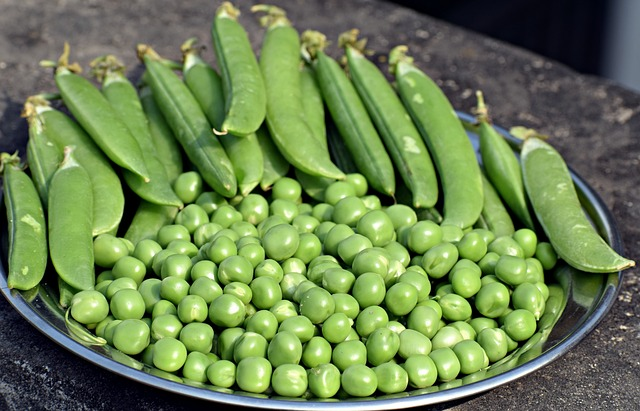
Green Peas


GREEN PEAS are very nutritious and are rich in antioxidants, vitamins A, C, K, and B-complex and minerals such as zinc, iron, calcium, and manganese. They are a great source of protein, fiber, and omega-3 fats in the form of alpha-linolenic acid (ALA). These essential fatty acids makes green peas an ideal food for brain and cardiovascular health and their phytosterols are vital for helping to lower cholesterol levels in the body.
They are also a fantastic weight loss food since they have the ability to ward off hunger and keep you feeling satiated for long periods of time. GREEN PEAS contain a compound called coumestrol which has been shown to help lower the risk of stomach cancer and they also contain anti-inflammatory properties making them a particularly good food for those who suffer with autoimmune disorders such as arthritis, COPD, heart disease, lupus, fibromyalgia, and bursitis.

GREEN PEAS have also been found to help lower the risk of type 2 diabetes due to their relatively low glycemic index and blood sugar regulating properties. Fresh green peas are easily grown in patio containers or gardens and can often be found in the produce section of the supermarket year-round.

Frozen peas are a good alternative when fresh is unavailable as they retain a large percentage of their color, flavor, and nutrition.

GREEN PEAS are a versatile and nutritious food that can help to increase good health.


HEALTH BENEFITS

1.  Weight Management: Peas are low fat but high everything else. A cup of peas has less than 100 calories but lots of protein, fiber and micro-nutrients.

2. Stomach cancer prevention: Peas contain high amounts of a health-protective polyphenol called coumestrol. A study in Mexico City determined you only need 2 milligrams per day of this phytonutrient to prevent stomach cancer. A cup of peas has at least 10.

3. Anti-aging, strong immune system, and high energy: This comes from the high levels of anti-oxidants including:

Flavinoids = catechin and epicatechin
Carotenoid = alpha-carotene and beta-carotene
Phenolic acids = ferulic and caffeic acid
Polyphenols = coumestrol

4. Prevention of wrinkles, Alzheimer’s, arthritis, bronchitis, osteoporosis and candida: These come from peas strong anti-inflammatory properties. Excess inflammation has also been linked to, heart disease, cancer, and aging in general. These properties include:

Pisumsaponins I and II and pisomosides A and B are anti-inflammatory phytonutrients found almost exclusively in peas.
Vitamin C and vitamin E, and a good amount of the antioxidant mineral zinc
Omega-3 fat in the form of alpha-linolenic acid (ALA).

5.  Blood sugar regulation: High fiber slows and protein slows down how fast sugars are digested. The anti-oxidants and anti-inflammatory prevent or reverse insulin resistance (type 2 diabetes)All carbohydrates are natural sugars and starches with no white sugars or chemicals to worry about.

 6. Heart disease prevention: The many antioxidant and anti-inflammatory compounds support healthy blood vessels. The formation of plaque along our blood vessel walls starts with chronic, excessive oxidative stress and inflammation.

The generous amounts of vitamin B1 and folate, B2, B3, and B6 reduce homocysteine levels which are a risk factor for heart disease.

7. Healthy for the environment: Peas work with bacteria in the soil to ‘fix’ nitrogen from the air and deposit it in the soil. This reduces the need for artificial fertilizers since one of their main ingredients is nitrogen.
After peas have been harvested the remaining plant easily breaks down to create more organic fertilizer for the soil.

Peas are also able to grow on minimal moisture so they are a perfect crop in many areas not needing irrigation or using up valuable water supplies.

8.  Prevent constipation: The high fiber content in peas improves bowel health and peristalsis.

9. Healthy bones: Just one cup of peas contain 44% of your Vitamin K which helps to anchor calcium inside the bones. They contain B vitamins, which also help to prevent osteoporosis.


10.  Reduces bad cholesterol: The niacin in peas helps reduce, the production of triglycerides and VLDL (very low-density lipoprotein, which results in in less bad cholesterol, increased HDL (“good”) cholesterol, and lowered triglycerides.
_________________________________________________________

PLEASE DONATE TODAY, IF the Holy Spirit impresses you, (donate button below and on the side) so I can continue to help others. Thank you! If you can't see the donate button or want quick access – use this link: PayPal.Me/ReneeB

Got info from another source.


Monday, May 19, 2025

Green Beans

GREEN BEANS are a nutritious vegetable that is rich in vitamins, minerals, and phytonutrients such as vitamins A & C, calcium, iron, manganese, beta-carotene, and protein.
 
GREEN BEANS provide significant cardiovascular benefits due to their omega-3 (alpha-linolenic acid) content. They also contain ant-inflammatory compounds which make them highly beneficial for individuals who suffer with auto-immune disorders such as fibromyalgia, arthritis, COPD, chronic fatigue syndrome, irritable bowel syndrome, chronic sinusitis, bursitis, Raynaud’s syndrome, and lupus.
 
They are also known to help prevent type 2 diabetes. GREEN BEANS are an excellent source of dietary fiber and can aid the digestive tract by promoting regular peristaltic action and aid in the removal toxic, cancer-causing substances in the digestive tract. They contain a wide variety of carotenoids such as lutein and neoxanthin and flavonoids such as quercetin and procyanidins which make them excellent for eye health and for preventing disease.
 
Fresh GREEN BEANS need to be cooked till tender. They can be eaten creamed, or added to salads or soups.
Fresh green beans are readily available at your local supermarket in the produce section. Also, look at your local farmer’s markets for heirloom varieties of green beans that contain the ultimate in nutritional and health benefits.
 
HEALTH BENEFITS
 
CARDIOVASCULAR DISEASE
GREEN BEANS can help reduce the risk of heart disease due to their high levels of flavonoids. Flavonoids are polyphenolic antioxidants that are commonly found in fruits and vegetables. GREEN BEANS have high levels of flavonoids and these antioxidants have certain anti-inflammatory properties. Test subjects with high flavonoid levels experienced anti-thrombotic results, preventing blood clots in the arteries and veins. Cardiovascular disease, heart attacks, and strokes are commonly caused by thrombotic activity, which means that a healthy volume of green beans and flavonoids in a diet can help prevent some of these conditions.
 
COLON CANCER
Recent studies have shown GREEN BEAN consumption to be beneficial for preventing pre-cancerous polyps that commonly lead to colon cancer. Many studies have tried to link dry bean intake to cancer prevention, with limited results.
However, new evidence suggests that increasing dietary GREEN BEAN intake can reduce the risk of cancerous adenoma recurrence and colorectal cancerMore studies are ongoing, but that linkage is very important.
 
Secondly, the high fiber content of green beans can also positively impact your digestive system. Certain types of fiber can ease the digestive process and promote healthy bowel movements, which decreases the stress on the intestinal tract. Certain studies have shown a positive correlation between increased fiber intake and a reduction in colon cancer, but again, more research is still being performed.
 
DIABETES
These power-packed legumes have been shown to help manage and regulate diabetes symptoms in many patients. Certain studies have shown a definitive hypoglycemic influence on patients with diabetes. Diabetes is a condition that requires constant maintenance of blood sugar levels at a normal level so the body can perform necessary tasks. Natural regulators of diabetes CAN BE DONE, and the connection of beans and similar plants to the control or early prevention of diabetes is great news for many people.
 
IMMUNE SYSTEM
The presence of various immune system-boosting antioxidants in green beans is well known, but as more research on their benefits is done, it is becoming clear that there are far more antioxidant properties than we previously thought. Antioxidants are beneficial compounds in our body that seek out dangerous free radicals and eliminate them from our system before they can cause illness or tissue damage.
 
GREEN BEANS are a good source of flavonoids and carotenoids, but the variety of those pigments was previously unknown. Flavonoids contain basic antioxidants like quercetin and kamferol, but also more useful and beneficial ones like catechins and epicatechins. Catechins have been shown to reduce the severity of strokes. Carotenoids found in green beans contain antioxidants like beta carotene and lutein. Beta carotene has been linked to a number of benefits within the body.
 
EYE HEALTH
Certain specific carotenoids that are found in green beans can also prevent macular degeneration, which is a decrease in vision and eye function. Lutein and Zeaxanthin are focused at the macula of the eye and play a key role in preventing any stress on the inner workings of the eyeEnsuring that these carotenoid levels stay strong to prevent vision deterioration is one of the many benefits of including green beans in your balanced diet.
 
BONE HEALTH
There are many nutrients, such as calcium, found in GREEN BEANS that are integral in preventing bone deterioration and osteoporosis. Green beans contain vitamin K, vitamin A, and silicon. Deficiencies in many of these compounds have been connected to increased bone loss, strength, and durability. Silicon is not the most common mineral to hear about, and significant amounts are relatively rare in most foods. HoweverGREEN BEANS are a terrific source of silicon, which is a key element in bone regeneration and overall bone health.
 
GASTROINTESTINAL ISSUES
Green beans are packed with fiber, which is a hugely beneficial compound in our bodies. By keeping enough fiber in our diets, we can ease certain digestive issues like constipation, hemorrhoids, ulcers, and acid reflux diseaseThese conditions range from mild irritants to potentially life-threatening, and the amount of fiber we consume is a key element in their prevention. In a normal serving of green beans, which is 110 grams, you can gain 15% of the daily recommended amount of fiber. GREEN BEANS are one of the best vegetables to keep your stomach working properly.
 
PRE-NATAL HEALTH
GREEN BEANS are also a great source of folic acid, which plays a key role in many internal processes, but none are more important than protecting infants in the womb. Folic acid levels in a woman’s body are vital to the normal and healthy development of the fetus in utero, especially in preventing neural tube defects. 

GREEN BEANS provide an easy and delicious way to keep folic acid levels high, and ensure a healthy and happy baby.
_______________________________________________________

PLEASE DONATE TODAY, IF the Holy Spirit impresses you, (donate button below and on the side) so I can continue to help others. Thank you! If you can't see the donate button or want quick access – use this link: PayPal.Me/ReneeB

Got info from another source.


Sunday, May 18, 2025

Grapes


GRAPES have been called the “queen of fruits” due to being one of the most nutritious and medicinal foods available since ancient times. Grapes are a rich source of vitamins A, C, and B-complex, and minerals such as calcium, magnesium, copper, boron, manganese, iron, selenium and potassium.

GRAPES contain high amounts of powerful antioxidants known as bioflavonoids, resveratrol, and anthocyanins. These phytochemicals are anti-inflammatory, anti-viral, anti-microbial, anti-aging, and anti-cancerous and provide protection against anemia, degenerative nerve diseases, heart disease, viral and fungal infections, Alzheimer’s, autoimmune disorders, and all forms of cancer.

GRAPES can also help provide relief from asthma, migraines, constipation, gastritis, chronic acidosis, indigestion, kidney disorders, fatigue, and vision problems. Grapes have the ability to help prevent blood clots due to their ability to increase nitric oxide levels in the blood and therefore provide excellent protection for the heart and cardiovascular system.

Grapes, also amazingly enough, fight tooth decay and can stop viruses in their tractsGrapes can benefit blood sugar by providing better insulin regulation and overall blood sugar balance. The black variety of grapes are by far the most nutritious and if you can find them with seeds, even better!

HEALTH BENEFITS

Asthma: Due to their well-known therapeutic value, grapes can be used as a cure for asthma. In addition to that, the hydrating power of grapes is also high, which increases the moisture present in the lungs and reduces asthmatic events.

Bone Health: Grapes are a wonderful source of micro-nutrients like copper, iron, and manganese, all of which are important in the formation and strength of the bones. Adding grapes into your diet on a regular basis can prevent the onset of age-related conditions like osteoporosis. Manganese is an extremely important element in the body, which aids in everything from protein metabolism, collagen formation, and nervous system functioning.

Heart diseases: Grapes increase the nitric oxide levels in the blood, which prevents blood clots. Therefore, grapes are an effective way to reduce the chances of heart attacks. Additionally, the antioxidants present in grapes prevent the oxidation of LDL cholesterol, which blocks the blood vessels and is a main contributor to various coronary conditions. Grapes also have high numbers of flavonoids, which are what give grapes their color, but flavonoids are also very powerful antioxidants.

The two main types in grapes are resveratrol and quercetin, and these two compounds negate the effects of free radicals that threaten the body and stimulate LDL cholesterol’s harmful effects on arteries. Also, these two antioxidant flavonoids act as a clean-up crew to reduce platelet clumping and filter toxins out of the blood.

Migraine: Ripe grape juice is an important home remedy for curing migrainesIt should be drunk early in the morning, without mixing additional water. Ironically, drinking red wine is often considered a cause of migraines, but grape juice and grape seed extract is considered a solution for the problem. There are many causes behind migraines, mostly it is because people do not drink enough water and are dehydrated, also it can include chemical imbalances, lack of sleep, changes in weather, or dietary deficiencies. Alcohol in general causes migraines, but grapes have so many antioxidants that they can cure!

Constipation: Grapes are very effective in overcoming and eliminating constipation. They are classified as a laxative food, because they contain organic acid, sugar and cellulose. They also relieve chronic constipation by toning up intestinal muscles and the stomach Grapes are high in insoluble fiber, meaning that it remains intact as it moves through the digestive tract. It builds up bulk, which promotes the formation and excretion of healthy stool, so grapes can help make you much more regular. However, if you suffer from loos stool or diarrhea, grapes should not be used as a way to regulate your system. Insoluble fiber doesn’t soak up water to dry out loose stool, and grapes don’t have a high level of soluble fiber.

Indigestion: Grapes play an important role in dyspepsia. They relieve heat and cure indigestion and irritation in the stomach. They are also preferred over other digestive aids because they are considered a “light food”.

Fatigue: Light and white grape juice supplements the iron content in the body and prevents fatigue. Anemia is a real problem for many people, and eating grapes can help keep your iron and mineral levels balanced in the body. A lack of iron can make you sluggish, and your mind also doesn’t work as quickly, since iron is an essential mineral that impact a number of bodily functions.  However, dark grape juice might not give an iron boost and may actually decrease iron levels. Drinking grape juice also provides a nearly instant energy boost.

Diabetes: Recent research suggests that grape skin extract (GSE) exerts a novel inhibitory activity on hyperglycemia and may help in diabetes management.

Dental Care: According to a recent study, red grapes and grape seed extract can potentially help prevent cavities.

Kidney disorders: Grapes can substantially reduce the acidity of uric acid and they also help to eliminate acid from the system, thereby reducing the stress and pressure on the kidneys. Since grapes have a high water content, they induce urination, which also helps to eliminate the uric acid still present in the body after its acidity is reduced. Grapes have a very cleansing effect on the body, and the antioxidants present benefit all of the body’s systems in peripheral ways.

Blood cholesterol: Grapes contain a compound called pterostilbene, which has the capacity to lower a person’s cholesterol levels. Pterostilbene is closely related to resveratrol, the beneficial antioxidant and coloring flavonoid that is also found in grapes, and early research has shown that it has anti-cancer qualities as well as having a great impact on cholesterol levels. It is also thought to have preventative powers over cognitive decline. Furthermore, the saponins present in the skin of grapes can also prevent the absorption of cholesterol by binding with it.

Antibacterial activity: Red grapes have strong antibacterial and antiviral properties that can protect you from infections. They display strong antiviral properties against the polio virus and the herpes simplex virus. Studies have also shown that grape juice can tackle bacterial infections in the gut and other systems.

Breast cancer: In a recent study, it has been discovered that purple, Concord grape juice helps in preventing breast cancer. Significant reduction in mammary tumor mass of laboratory rats was seen after they were fed the grape juice in an experimental setting. The antioxidants in grapes are beneficial in the prevention of all types of cancer, but there are some fascinating studies which specifically show grape juice as an effective preventive measure against breast cancer. Certain chemicals in grapes compete for binding sites, and inhibits aromatase from changing androgen to estrogen, which is thought to be a big contributing factor to breast cancer growth in women.

Alzheimer’s disease: Resveratrol, a beneficial polyphenol present in grapes, reduces the levels of amyloidal-beta peptides in patients with Alzheimer’s disease. Studies suggest that grapes can enhance brain health and delay the onset of degenerative neural diseases. A study published in the British Journal of Nutrition claims that grape juice can even improve the brain function of older people who have already displayed mild cognitive impairment. Further studies are currently under way to determine the exact interaction between grape components and neural systems.

Macular degeneration: Grapes can prevent age-related loss of vision and macular degeneration. Research study conducted at University of Miami suggests that grape-enriched diet supports eye health and may prevent vision-threatening retinal diseases.

Grapes Studies have shown that three servings of grapes a day can reduce the risks of macular degeneration by over 36 %. Wine can contribute to a reduced loss of vision over time, and as with all of the organ systems, the health and susceptibility to disease or damage is lessened by the antioxidants packed into every grape!

Immune System: Grapes are not only packed with flavonoids and minerals, but vitamins as well! The high levels of vitamin C, vitamin K, and vitamin A in grapes gives you a healthy boost to many of your organ systems, particularly your immune system, which means less chance of coming down with common colds, as well as more serious health issues.

Prevention of cataracts: Flavonoids present in grapes have antioxidants, which can reduce and fight the damage caused by free radicalsFree radicals cause things like the development of cataracts, as well as cardiovascular diseases, cancer, and various age-related problems. This is somewhat linked to macular degeneration, as they usually occur around the same time in life. Fortunately, antioxidants also have certain anti-aging qualities, which not only help you look younger, but also feel younger by staving off age-related conditions like cataracts.

Cancer prevention properties: Grapes have been found to have strong anti-cancer properties due to the anti-inflammatory effect of resveratrol. It is particularly effective in reducing the chances of colorectal cancer and breast cancer. The anthocyanins and pro-anthocyanidins in grapes have properties of an anti-proliferate and can inhibit the growth of cancer causing agents. Grape juice not only prevents the risk of cancer but also suppresses the growth and propagation of cancer cells. The pigments contained in grapes enhance the overall immunity of the body to a wide range of diseases.

In conclusion, grapes play a pivotal role in preventing a multitude of health disorders and can be used as a home-based remedy for several ailments.

Dried grapes, known as RAISINS, are also extremely nutritious and can help treat many disorders, including constipation, acidosis, anemia, fever, and sexual dysfunction. Raisins can also help people gain weight quickly and protect the health and functional integrity of their eyes.

The average serving size for grapes is about one cup, or 32 grapes. As a useful measure, you can use the size of your fist to estimate the proper portion size for grapes.

GRAPE SEEDS provide phenomenal healing benefits. You can chew the seeds up or place the seeded grapes in a high speed blender or a juicer. It will make a sweet, delicious, and powerful antioxidant drink that is easily digested and assimilated. In fact, fresh raw grape juice has high concentration of health promoting properties. And since the skins contain most of the antioxidants and nutrition, you will want to choose organic whenever possible.

_________________________________________________________

PLEASE DONATE TODAY, IF the Holy Spirit impresses you, (donate button below and on the side) so I can continue to help others. Thank you! If you can't see the donate button or want quick access – use this link: PayPal.Me/ReneeB

Got info from another source.