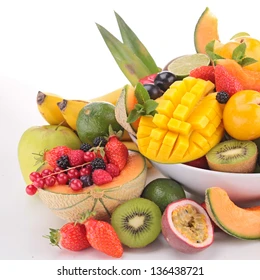
FRUITS:
Pineapple promotes joint health and reduces asthma inflammation. Pineapple is high in vitamin C and also contains bromelain, an enzyme that promotes digestion, reduces arthritis, prevents swelling after trauma, relieves sinusitis, reduces angina, and suppresses appetite.
Blueberries restore antioxidant levels and reverse age-related brain decline. They also prevent urinary tract infections. Blueberries are rich in compounds that strengthen collagen structure. Their distinctive blue color comes from anthocyanins, powerful antioxidants that are so prevalent in blueberries that they push blueberries right to the top of the antioxidant champion food tree. There are at least five types of anthocyanins in blueberries, and blueberries contain more antioxidants than other super foods.
Tomatoes reduce inflammation and lower the risk of developing cardiovascular disease and esophageal, stomach, colorectal, lung, and pancreatic cancer. Packed with the antioxidant lycopene, which helps prevent degenerative diseases and reduce the risk of certain cancers, tomatoes also help fight inflammation.
Apples support immunity, fight lung and prostate cancer, and lower Alzheimer's risk. Apples provide a wide range of phytonutrients such as catechin, quercetin, phloridzin, and chlorogenic acid, which act as antioxidants to fight disease. Apples also contain fiber and flavonoids.
Avocados reduce liver damage, lower the risk of oral cancer, and help reduce high cholesterol.
Bell Peppers (Red) help prevent sunburn, build cardiovascular health, and decrease the risk of certain cancers, including lung, prostate, ovarian, and cervical cancer. Peppers are a good source of vitamin C, in fact they are HIGHER than oranges.
Blackberries build bone density, suppress appetite, and enhance fat burning. Blackberries are rich in bioflavonoids.
Cantaloupe enhances the immune system, protects against sunburn and swelling, and acts as a natural diuretic. It contains a compound called adenosine, which thins the blood and relieves angina.
Cherries help reduce the pain of arthritis and gout, lower high cholesterol, and decrease inflammation. Cherries contain high amounts of the compound keracyanin, the agent responsible for healing gout, as well as high levels of bioflavonoids.
Cranberries help ease prostate pain and protect against lung, colon, and leukemia cancer cells. Cranberry juice is also effective in preventing urinary tract infections. Cranberries are high in vitamin C.
Kiwifruit helps fight wrinkles, lowers the risk of blood clots, decreases blood lipids, and relieves constipation. One kiwifruit has nearly twice the vitamin C of an orange and can help reduce inflammation.
Mango enhances the immune system, lowers cholesterol, and helps protect the arteries. Mangos are rich in bromelain, an enzyme that aids digestion.
Oranges lower bad cholesterol, help reduce the risk of certain cancers, and fight childhood leukemia. The pectin in oranges is a natural appetite suppressant, and oranges are loaded with vitamin C.
Papaya contains bromelain, an enzyme that aids digestion, lowers the incidence of lung cancer, and helps burn fat.
Plums and prunes are packed with fiber, which alleviates constipation, and antioxidants, which protect against bone loss in menopause.
Pomegranates contain enzymes that help protect against sunburn, fight bad cholesterol, and help lower the risk of prostate cancer. Pomegranates are loaded with some of the most potent known antioxidants.
Pumpkin helps protect joints from certain types of arthritis, reduce the risk of certain cancers, and decrease inflammation. Pumpkin contains vitamin C and lots of fiber.
Raspberries help fight the growth of certain cancers, and their high levels of antioxidants help decrease high cholesterol levels. Raspberries are also a traditional remedy for high blood pressure and are loaded with vitamin C.
Strawberries help reduce the incidence of Alzheimer's disease, lower bad cholesterol, and inhibit the growth of colon, prostate, and oral cancers. Strawberries are packed with B vitamins, vitamin C, and ellagic acid, an anti-cancer compound.
Watermelon protects the skin from sunburn, offers nutritional support for male fertility, and helps decrease the risk of certain cancers, including prostate, ovarian, cervical, oral and pharyngeal cancers. Watermelon is rich in electrolytes.
Butternut squash helps fight wrinkles, promote good night vision, and build a healthy heart. Butternut squash provides vitamins A and C, potassium, and niacin.
THE BEST VEGETABLES TO INCLUDE IN YOUR DIET TO STAY YOUNGER AND HEALTHIER LONGER:
Spinach helps with mental alertness and reduces the risk of certain cancers, including cancer of the liver, ovaries, colon, and prostate. Spinach is also packed with vitamins A, B, C, D, and K.
Broccoli decreases the risk of certain cancers, including prostate, bladder, colon, pancreatic, gastric, and breast cancer; helps decrease damage associated with diabetes; and helps protect against brain injuries. Broccoli is packed with antioxidants and vitamins B6, C, and E.
Carrots protect DNA, battle cataracts, and offer protection against certain cancers. Carrots are high in beta-carotene, a potent healer. Carrots provide vitamins A, B, and C as well as calcium, potassium, and sodium.
Cauliflower helps inhibit the growth of breast cancer cells, protects against prostate cancer, and stimulates the body's detox systems. Cauliflower contains the compound allicin, which helps reduce the risk of stroke and improves heart health. Allicin also helps detoxify the blood and liver. Cauliflower is high in vitamin C.
Artichokes aid blood clotting and reduce bad cholesterol. Artichokes are high in vitamin C and fiber.
Arugula enhances the health of the eyes, lowers the risk of birth defects, and reduces the risk of fracture. High in beta-carotene, the antioxidant that fights heart disease, arugula is also high in vitamin C, folic acid, potassium, and fiber.
Asparagus helps promote healthy bacteria in the digestive system, guards against birth defects, and builds a healthy heart. Asparagus is rich in vitamins A and B1.
Red and Green Cabbage helps with blood clotting and reduces the risk of certain cancers, including prostate, colon, breast, and ovarian cancer. Green cabbage also aids detoxification. Cabbage is also a great source of vitamin C, calcium, and fiber and contains the nitrogenous compound indoles, which helps lower blood pressure. CABBAGE HAS MORE NUTRIENTS THAT PROTECT AGAINST CANCER THAN ANY OTHER VEGETABLE.
Kale helps regulate estrogen levels, prevent sun damage to the eyes, and build bone density. Kale contains vitamins A, B, and C.
Sweet potatoes reduce the risk of stroke and cancer and offer protection against blindness. Sweet potatoes are rich in carotene, vitamin C, calcium, and potassium.
_______________________________________________________
PLEASE DONATE TODAY, IF the Holy Spirit impresses you, (donate button below and on the side) so I can continue to help others. Thank you! If you can't see the donate button or want quick access – use this link: PayPal.Me/ReneeB
Got info from another source.